


Train the Dog. Understand the Behavior.
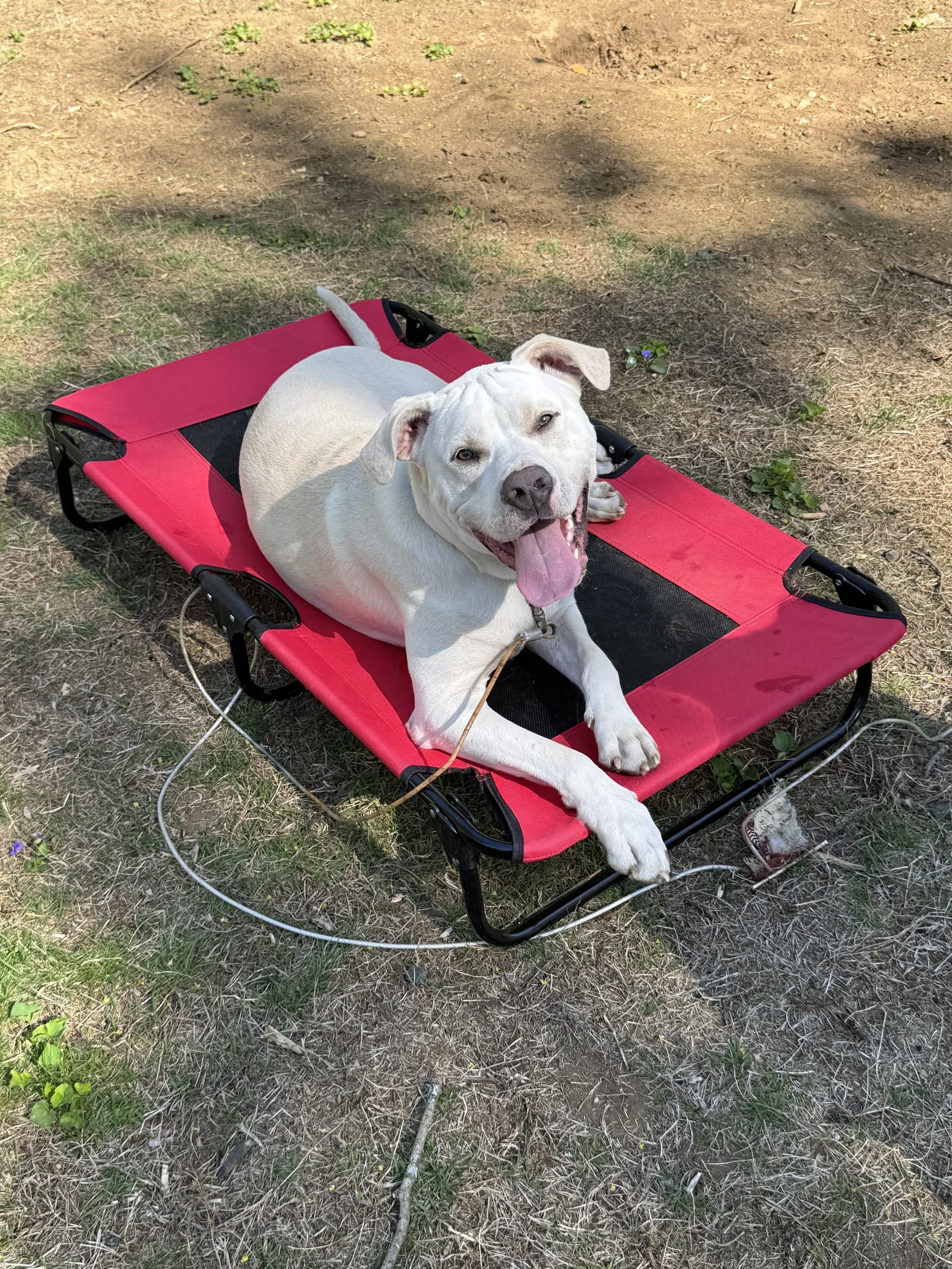
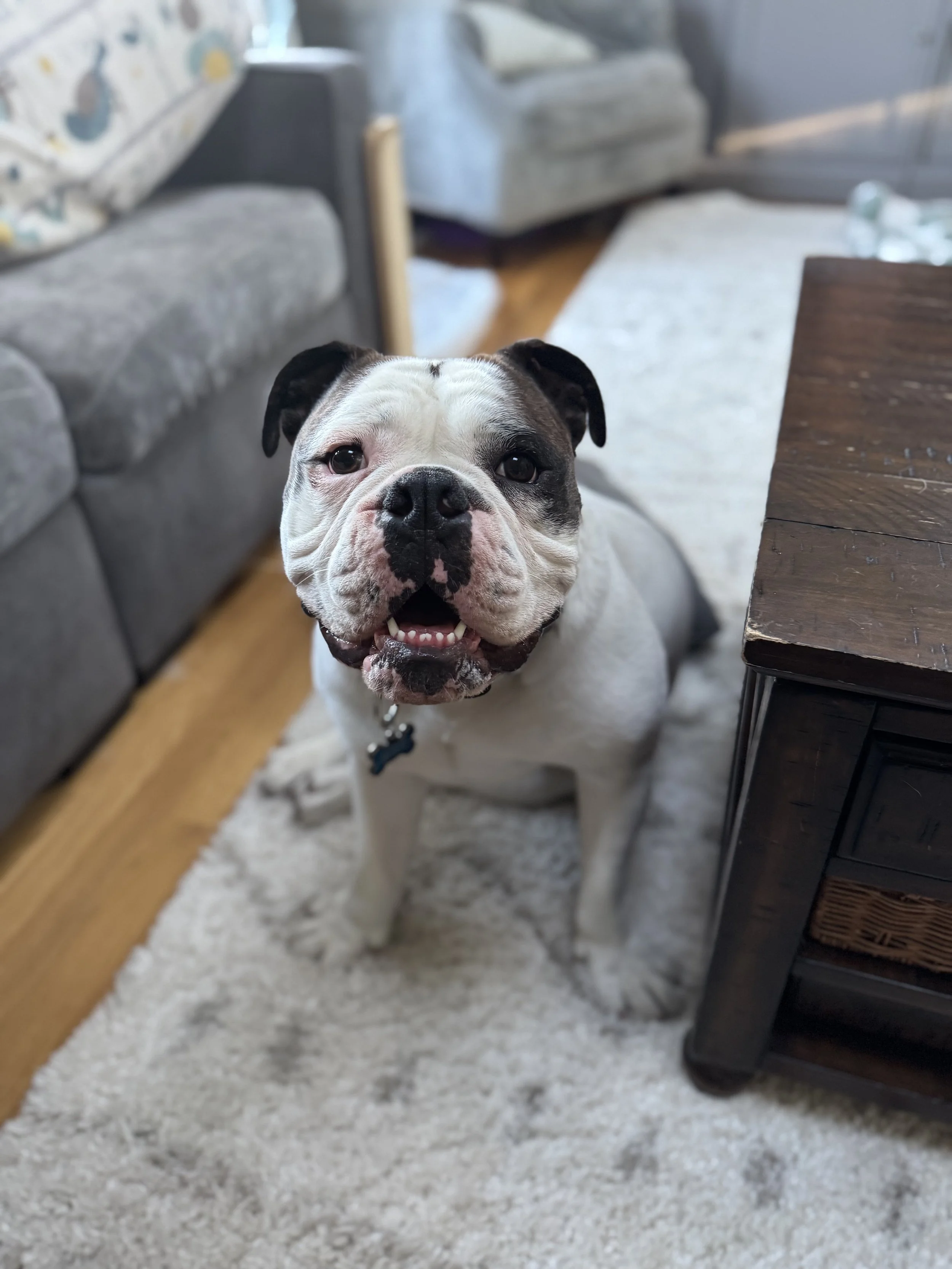
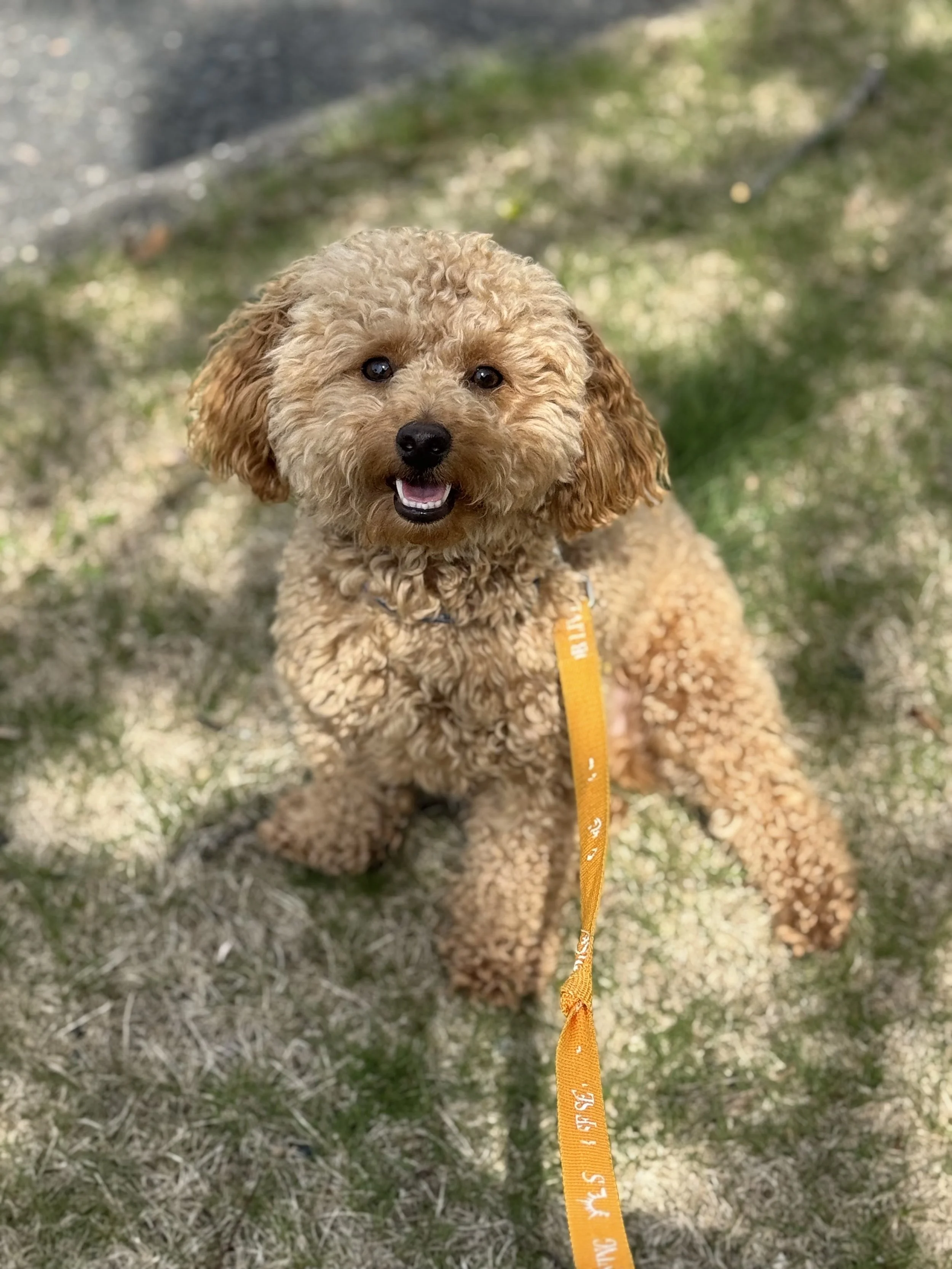
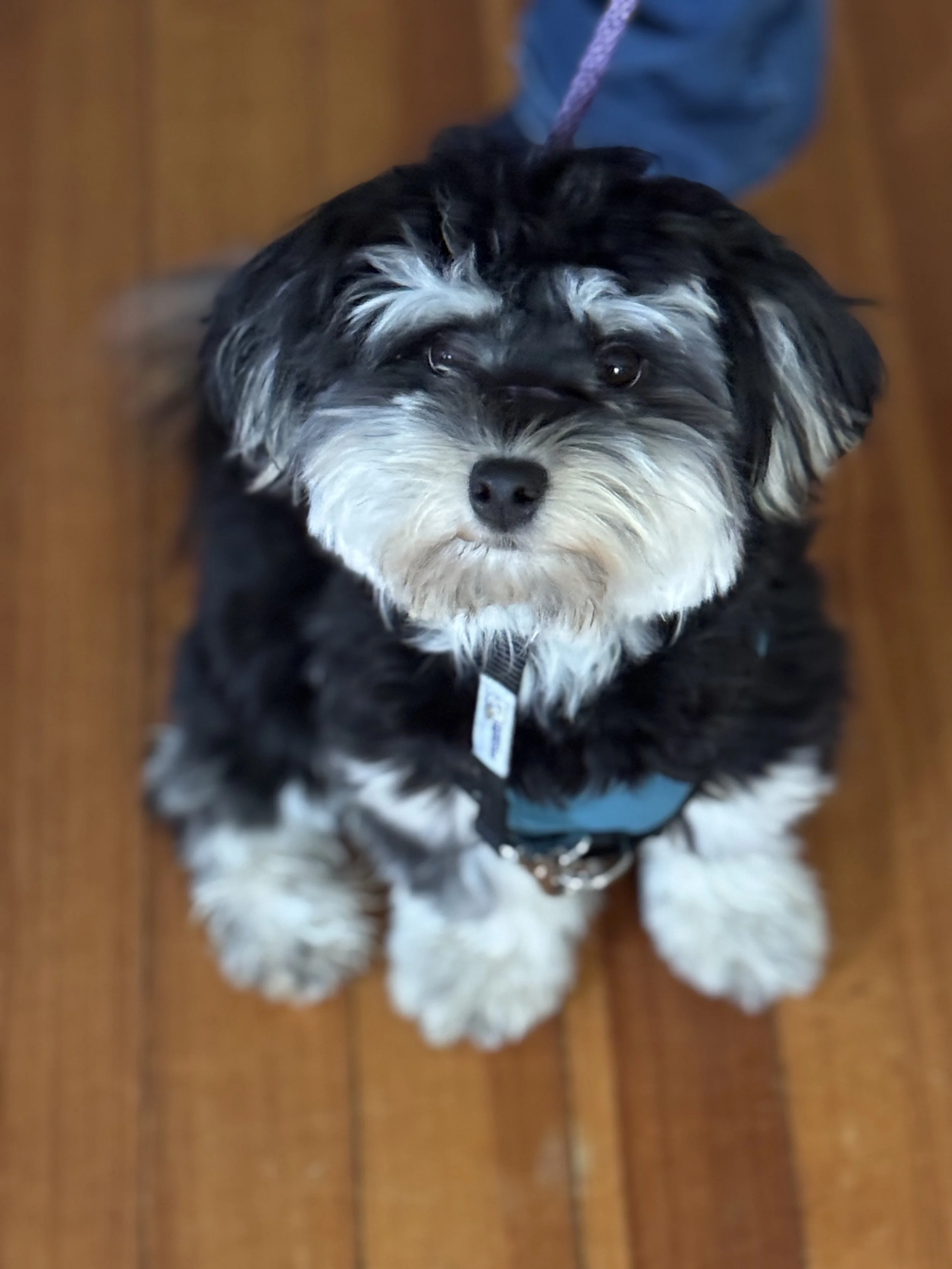
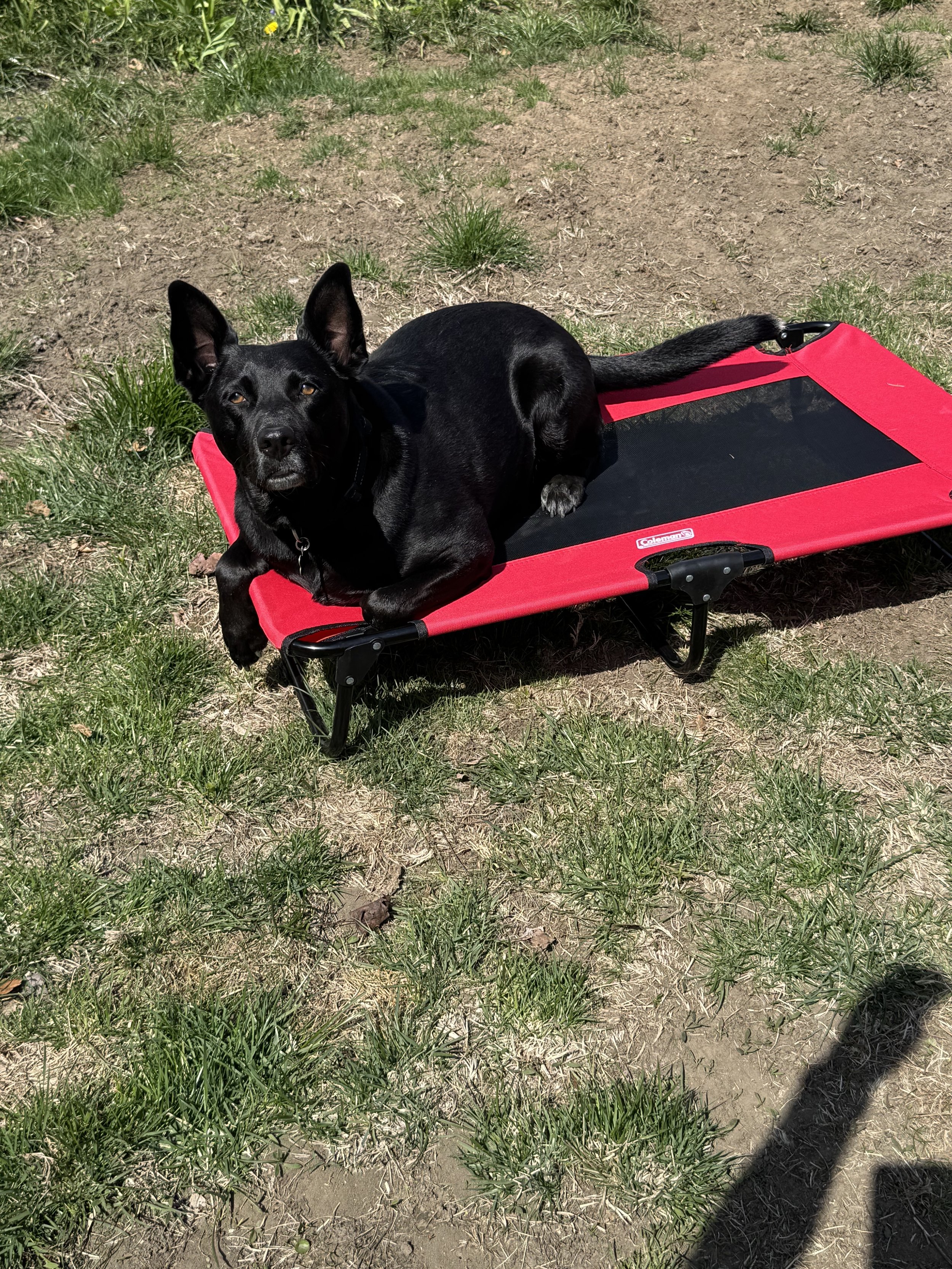
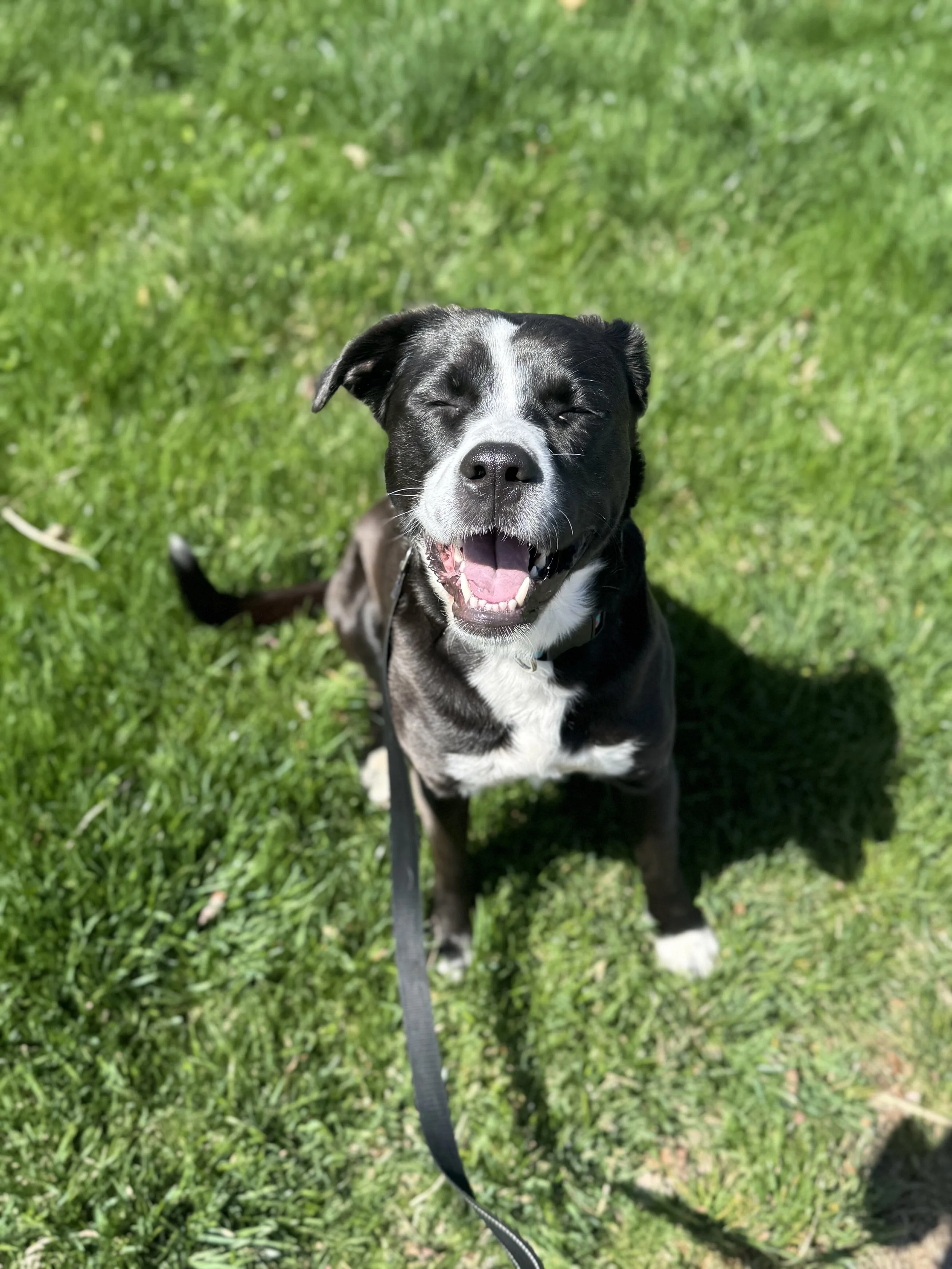
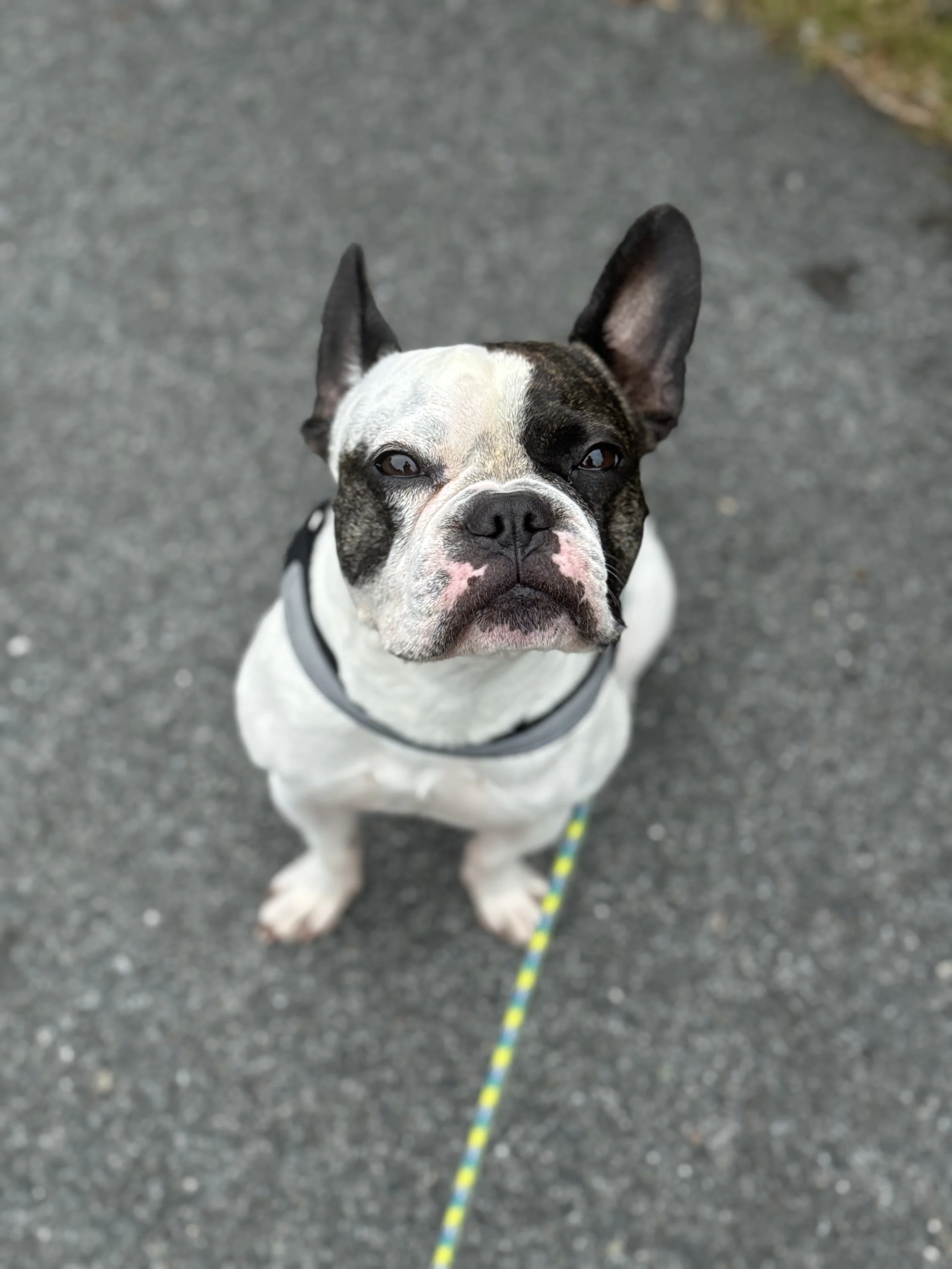
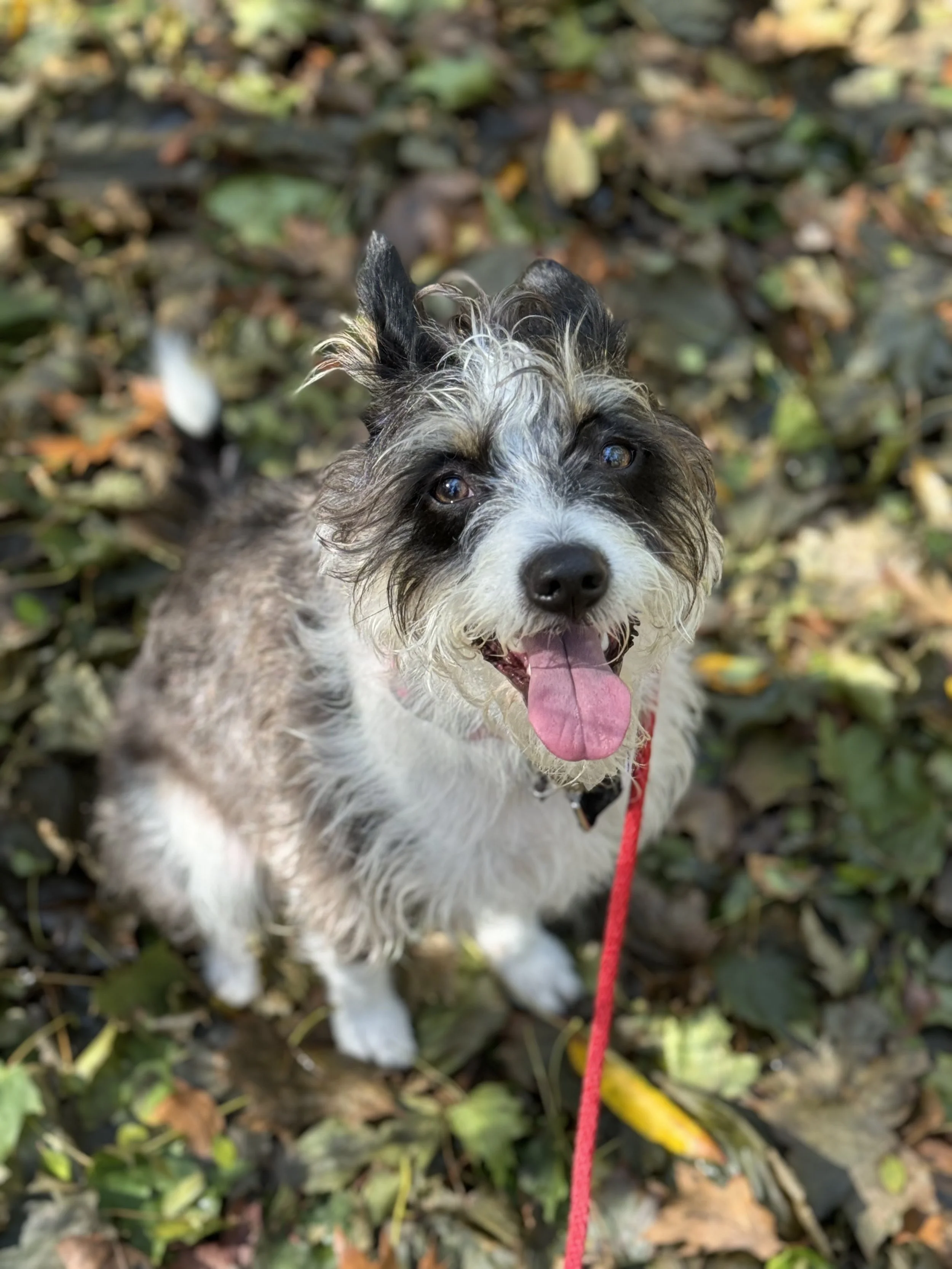
Our Philosophy
We believe meaningful behavior change begins with understanding why a dog behaves the way they do.
Dogs are not blank slates. Their behavior is influenced by genetics, breed-specific tendencies, developmental history, environment, learning history, reinforcement, and their individual temperament. Effective training considers all of these factors rather than treating every dog—or every behavior problem—the same way.
Our approach incorporates biological fulfillment and breed-specific behavior modification into the training process. Every dog has natural behavioral systems and inherited drives that need appropriate outlets. Herding, hunting, retrieving, chasing, searching, guarding, digging, carrying, and environmental exploration are not simply “bad habits” to eliminate. They are behaviors with biological purpose.
Instead of asking only, “How do we stop this behavior?” we ask:
“What is this dog trying to accomplish, and how can we give them an appropriate way to fulfill that need?”
When a dog's biological and behavioral needs are appropriately met, we can create better conditions for learning, engagement, emotional regulation, and behavioral change. This is particularly important for dogs experiencing fear, anxiety, reactivity, frustration, over-arousal, or other complex behavioral challenges.
We also recognize that behavior modification is not about forcing every dog into the same mold. A high-drive working dog may require very different outlets than a companion breed, while two dogs of the same breed may still have dramatically different motivations and thresholds.
Our training programs are therefore built around the individual dog in front of us—their genetics, temperament, environment, reinforcement history, emotional state, and the behaviors they naturally find rewarding.
The goal isn't simply obedience.
The goal is a dog whose needs are understood, whose behavior has appropriate outlets, and who has the skills to successfully navigate the world around them.
That is where training becomes more than commands. It becomes behavior modification built around the biology of the dog.
